

On this page
Why One MCP for All Ad Platforms Changes the Arithmetic
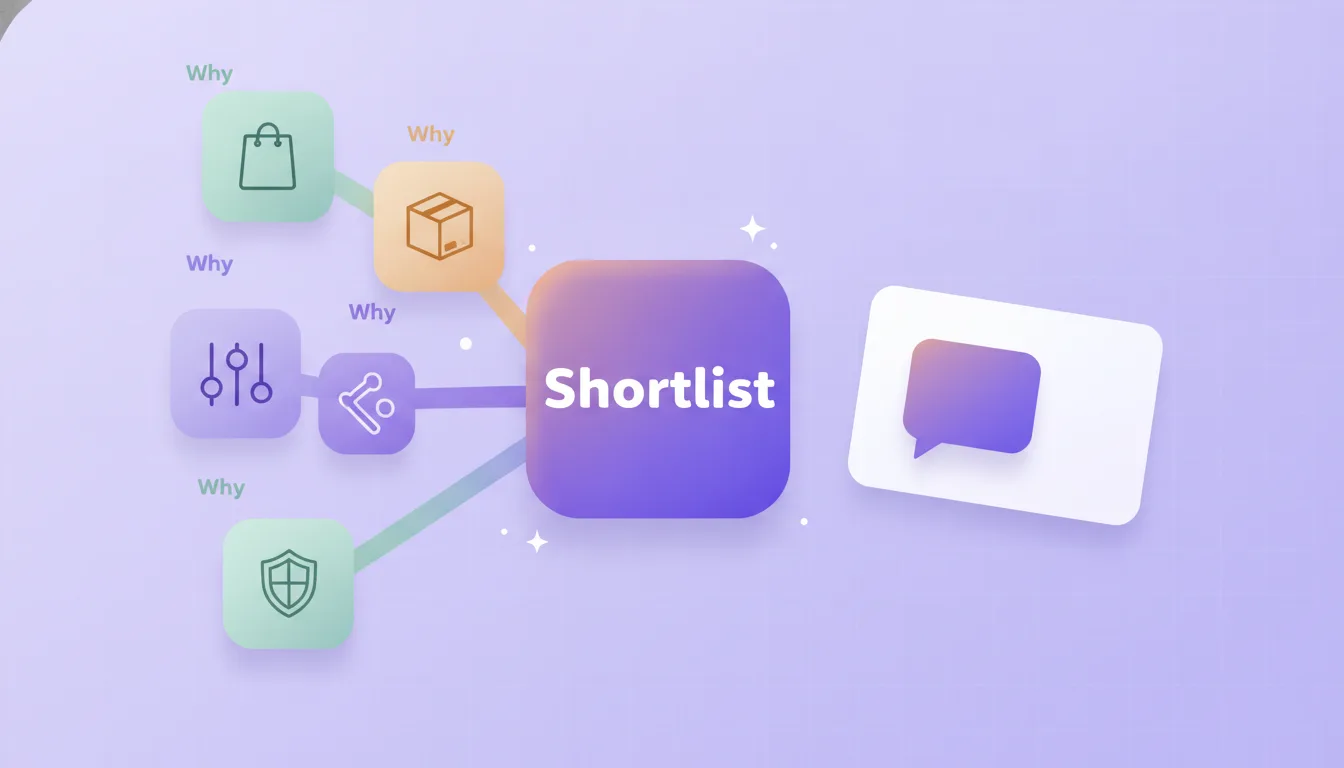
Key Takeaway: Running one MCP for all ad platforms is not mainly about convenience. Eight separate connections still cannot answer a question that spans them, because each server only knows its own platform. Unification is what makes cross-platform questions exist at all — the reduced setup overhead is a side effect.
Every major ad platform shipped a first-party MCP server during 2026, and they are free. So the obvious move is to connect all of them and be done.
That works, up to a point. The point is the first question that spans two platforms — at which case you discover that eight connections is not the same as one connection to eight things.
The Cost Nobody Counts

Start with the visible overhead, which is real but not the main argument.
Eight platforms means eight OAuth flows to complete, eight configuration entries in your AI client, and eight sets of credentials to rotate. Transports differ — some servers are hosted and remote, others are self-hosted and local, which in practice means some work in ChatGPT on the web and some only in a desktop client. Capabilities differ too, so you have to remember which platforms you can change and which you can only read.
Then they break independently. A server updates, a scope changes, a token expires. With one connection you notice immediately because everything stops. With eight, one goes quiet and your answers get subtly incomplete without anything announcing it.
That last one is the underrated cost. A partial answer that looks complete is worse than an error.
What Actually Becomes Askable?

Here is the structural point. Google's official server has never heard of Meta. Not because of a missing feature — because Meta's data is on the other side of a company boundary that no amount of roadmap crosses.
So with eight separate servers you can ask eight sets of single-platform questions very efficiently. You cannot ask one question that spans them, ever.
Question | Eight servers | One unified |
|---|---|---|
Which Google campaigns wasted spend last week? | Yes | Yes |
Which Meta creatives are fatiguing? | Yes | Yes |
Which channel had the worst marginal return? | No | Yes |
Did Thursday's drop hit everything or one platform? | No | Yes |
Are two platforms bidding on the same brand queries? | No | Yes |
Where should the next £10k go? | No | Yes |
The "no" column is not a limitation of effort. You can still answer those questions — by exporting from each platform and reconciling in a spreadsheet, which is the manual work you adopted MCP to stop doing.
Key Takeaway: Eight connections make you faster at questions you could already answer. One connection makes new questions possible. Those are different kinds of improvement, and only the second changes how budget gets allocated.
The Overlap You Cannot See
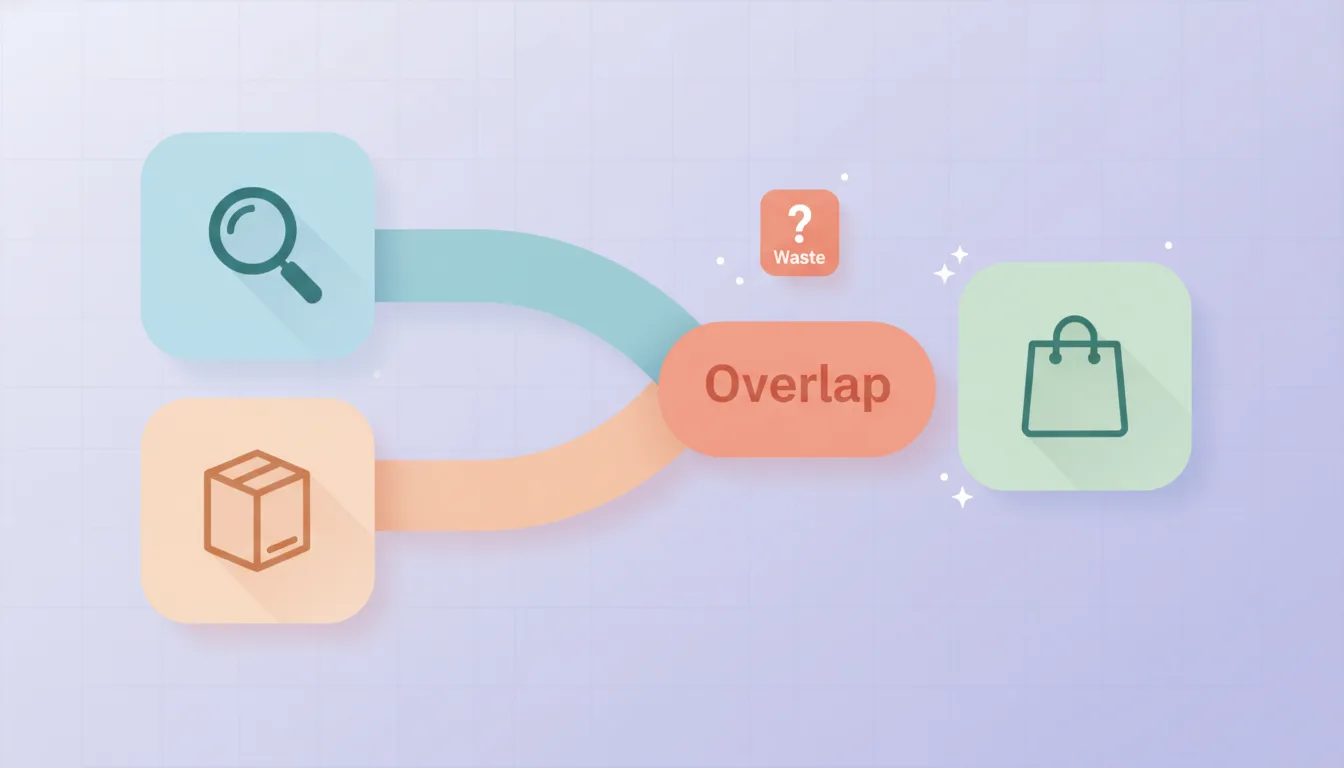
One concrete example, because it costs real money and is invisible from inside any single platform.
Brand terms. Google Ads bids on your brand name. Microsoft does too. If you also run Amazon Sponsored Brands on your own brand, that is three surfaces competing for a shopper who was already coming to you. Each platform reports excellent efficiency — because intercepting existing demand always looks efficient — and none of them can see the other two doing the same thing.
You find this by looking across platforms at the same query set at the same time. That is a one-prompt question with unified access and a multi-hour reconciliation without it, which is why most teams never actually check.
How to Consolidate Without Breaking Things

Inventory what is connected now. Every platform lists authorised applications in settings. Most teams find at least one connection nobody remembers approving.
Connect the unified server for your top two platforms first. Not all eight. You want to compare answers against something you already trust.
Verify against the platform UI. Ask a question you know the answer to and check the number. This is the step people skip, and it is the only way to know what the connection is worth before relying on it.
Retire the duplicates. Once you trust it, remove the per-platform connections you have replaced. Leaving both creates duplicate tools in the model's context, which makes it less certain which to call.
Then ask something you could not ask before. The cross-platform question is the whole point. If you consolidate and keep asking single-platform questions, you have bought convenience rather than capability.
Honest limitation: Unification concentrates dependency. One vendor's uptime, one vendor's normalisation logic, one vendor's security posture sitting between you and every platform you run. Official platform servers do not have that property, and for a single-platform advertiser they are the better choice on exactly those grounds. Ask any aggregator — us included — what happens at rate limits and whether they fail loudly or return partial data, because a server that quietly returns half a report is worse than one that errors.
What Should You Take from This?
Eight separate servers cannot answer a cross-platform question at any level of effort, because each only knows its own platform.
Setup overhead is the visible cost; silent partial answers when one connection degrades is the expensive one.
Brand-term overlap between platforms is a concrete, common waste that is invisible from inside any single platform.
Consolidation concentrates dependency on one vendor. That is a genuine trade, and for single-platform advertisers it is a bad one.

One Connection, Every Platform
Google Ads, Meta, Amazon, Microsoft, TikTok, LinkedIn, Reddit, Pinterest and ChatGPT Ads with write access — plus your store, payments and analytics — behind a single OAuth flow per account. See pricing or connect your first account.
Read this next → Brandlio vs Adspirer
An honest side-by-side of two aggregating servers — where each is stronger, where we are not, and how to decide between them without taking either vendor's word for it.
Frequently Asked Questions
Can I just connect every platform's official MCP server?
You can, and for single-platform questions it works well. What you cannot do is ask anything spanning two platforms, because each official server only knows its own — Google's server has no access to Meta data. That boundary is structural, not a missing feature.
What is the actual cost of running eight separate connections?
Eight OAuth flows, eight configuration entries, eight sets of credentials, and differing transports so some work in browser-based AI clients and some only on desktop. The larger cost is failure behaviour: when one connection degrades, answers become subtly incomplete without anything announcing it.
Which questions require unified access?
Anything comparing channels — marginal return by platform, whether a performance drop was universal or isolated, where the next budget increment should go, and whether two platforms are bidding on the same queries. All of these are answerable manually by exporting and reconciling, which is the work unification removes.
How does brand-term overlap waste money?
If Google, Microsoft and Amazon Sponsored Brands all bid on your brand name, three surfaces compete for a shopper already heading to you. Each reports strong efficiency because intercepting existing demand always looks efficient, and none can see the others. It only surfaces when you look across platforms at the same query set simultaneously.
Should I remove official servers after consolidating?
Generally yes, once you trust the unified one. Running both leaves duplicate tools in the model's context, which can make it less certain which to call. Verify the unified server's numbers against the platform interface first, then retire what it replaced.
What is the downside of unification?
Concentrated dependency. One vendor's uptime, normalisation logic and security posture sit between you and every platform. Official platform servers avoid that, which is a genuine advantage — particularly for advertisers running a single platform, where the cross-platform benefit does not apply.
How do I verify a unified server is accurate?
Ask a question you already know the answer to and compare against the platform interface before relying on it for anything you cannot check. Do this per platform rather than once, since normalisation quality can vary between a vendor's strongest and weakest integrations.
Does connecting more platforms make the AI less accurate?
More tools can make a model less certain which to call, which is a real trade-off. In practice the larger risk runs the other way: a model with missing data answers confidently from what it has, and an incomplete cross-platform answer is harder to spot than a hesitant one.